


IP and Sports: Who Really Owns the Game?
- Firstpage
- IP & Trademarks
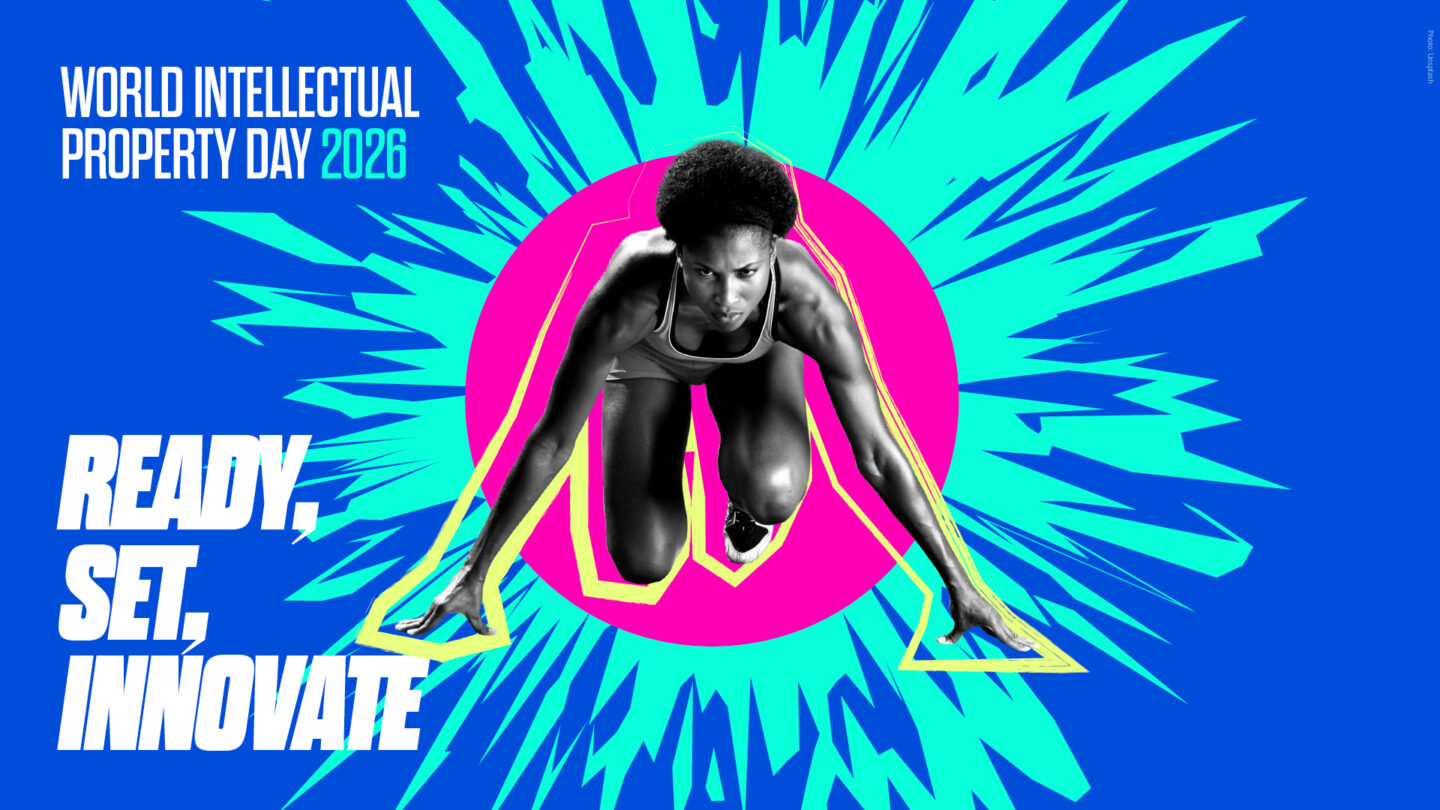
World Intellectual Property Day 2026 - Ready, Set, Innovate
When “Cold Palmer” moves from fan chant to potential trade mark, it signals part of a much larger trend: athletes are no longer just athletes, they are IP owners taking control of the value they create.
On April 26, World Intellectual Property Day 2026 celebrates the theme “IP and Sports: Ready, Set, Innovate.” It is a timely reminder that sport is no longer confined to the pitch, court, or track. It is an ecosystem powered by innovation, identity, and ownership.
From the sneakers athletes wear to the broadcasts fans consume, intellectual property (IP) underpins the commercial and cultural value of sport. But today, two powerful shifts are redefining that landscape:
- Athletes are becoming IP owners in their own right
- Brands are redefining how they associate with major sporting events
Together, these trends raise a fundamental question: who really owns the game?
1. Athletes as IP Owners: From Endorsements to Enterprises
For decades, athlete branding was largely controlled by sponsors. The model was simple: performance on the field translated into endorsement deals off it. The archetype remains Michael Jordan, a name synonymous not just with sporting excellence, but with one of the most powerful brand empires in history.
What is changing now is who controls that value.
Modern athletes are increasingly treating their identity, names, nicknames, gestures, and even personality traits as strategic IP assets. Take Cole Palmer and the emergence of “Cold Palmer.” What might once have been a fan-driven nickname is now something that is being captured, protected, and monetised through trade mark strategy.
Similarly, rising darts star Luke Littler has reportedly taken steps to protect his image in response to the growth of AI-generated content. In an era where likenesses can be replicated, altered, and distributed instantly, identity itself requires protection, and in jurisdictions like the UK that does not have a standalone image right as such, trade marks emerge as powerful tool combatting online impersonation and infringement.
Athletes are no longer just players, they are IP owners building brand businesses

The Legal Shift
This evolution reflects a broader legal reality:
- Trade marks now extend beyond names and logos to on-filed celebrations and distinctive elements of an athlete’s persona
- Copyright and AI-related risks are forcing athletes to think defensively as well as commercially
The Commercial Implication
Athletes are no longer just endorsers; they are brand platforms.
This aligns directly with the World IP Day theme. IP is not only protecting innovation in equipment or broadcasting, it is enabling athletes to innovate commercially, build direct relationships with fans, and participate more fully in the value they generate.
The result is a shift in power:
From sponsor-controlled branding → to athlete-controlled IP ecosystems
2. Ambush Marketing 2.0: Redefining the Boundaries of Association
If athletes are expanding their control over IP, brands are simultaneously testing the limits of how they can leverage major sporting moments without actually being an official sponsor.
This is not new. Ambush marketing has existed for decades, particularly around global events such as the Olympic Games and the FIFA World Cup. What is new is how sophisticated, and legally nuanced, it has become.
Today sophisticated ambush marketing campaigns typically avoid direct use of protected event IP, regardless whether these are event names, logos, trophy images, mascots, slogans or the events’ look and feel . Instead, it operates through:
- Athlete and influencer partnerships
- Real-time social media engagement
- Cultural and meme-driven references
- Carefully engineered indirect-association with the event
A regulatory turning point: Mexico and the FIFA World Cup
A notable recent development in combatting ambush marketing comes from Mexico, a host country for the FIFA World Cup 2026. Mexico has amended its Federal Law for the Protection of Industrial Property to explicitly address ambush marketing.
The key shift is not the concept itself, but the clarity and enforceability now attached to it. Ambush marketing is formally recognised as an administrative infringement (even though the statute does not exhaustively define the concept) meaning rights holders can act more directly and quickly.
In practice, this means:
- Administrative enforcement proceedings before the Mexican Intellectual Property Office (IMPI) including the possibility of precautionary measures
- Potential sanctions for infringing activity
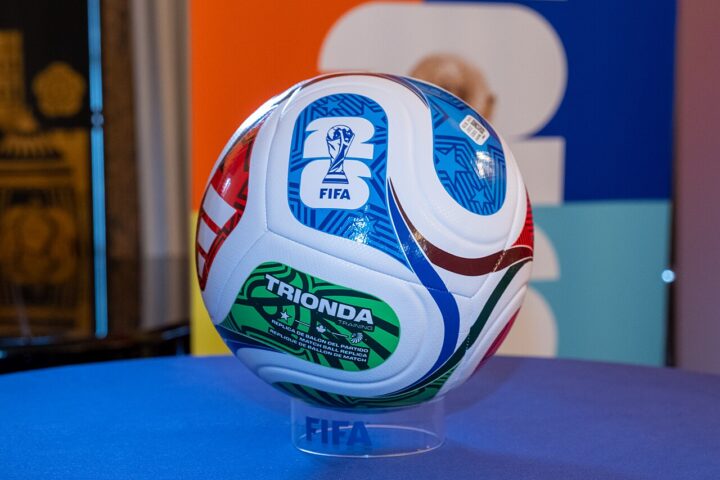
Ambush marketing is evolving fast and the legal line is shifting to consumer perception
This reduces reliance on broader, less precise claims such as unfair competition or misleading advertising.
Importantly, the law does not ban all event-related marketing. It targets situations where consumers are misled into believing there is an official sponsorship or affiliation. This preserves room for legitimate, more generic campaigns that celebrate a sport with more generic copy/imagery, such as country colous or flags, etc. while at the same time protecting the value of commercial rights of official sponsors.
The effect of specific anti-ambush legislation - whether generally codified as in Mexico or event specific (e.g. FIFA World Cup tournaments in South Africa 2010, Brazil 2014, Russia 2018, Qatar 2022 - but not for USA or Canda 26) can be summarised as follows:
- For non-sponsor brands: more difficult to get away with “creative association” with a sporting event
- For sponsors: stronger protection of their exclusivity of association
This raises a fundamental question: where is the line between smart, contextual marketing and unlawful implied association? As enforcement becomes sharper, both brands and rights holders will need to adapt, balancing visibility, compliance, and commercial freedom.
3. Convergence: A New Balance of Power in Sports IP
These two developments, athlete-led IP ownership and evolving ambush marketing, are not isolated. They are deeply interconnected.
- Athletes, as independent IP holders, can become alternative gateways for brand association
- Brands may bypass official sponsorship structures by partnering directly with athletes and create associations with the relevant event
- Event organisers must navigate a more complex ecosystem where control is distributed, not centralised
In this environment, IP becomes both:
- A shield (protecting rights and exclusivity)
- A tool for innovation (enabling new forms of engagement and monetisation)
This is precisely what World IP Day 2026 seeks to highlight. IP is not static, it is a dynamic framework that evolves alongside creativity, technology, and commercial strategy.
Conclusion: The Sports IP Ecosystem is Evolving
Sport has always been about performance. Increasingly, it is also about ownership, identity, and perception.
- Athletes are building and protecting their own brands as IP portfolios
- Brands are innovating in how they connect with audiences around major events
- Legislators are refining the rules to keep pace with both
The result is a more complex, but also more innovative, sports ecosystem.
As we mark World Intellectual Property Day 2026, the message is clear: the future of sport will not just be played, it will be designed, protected, and strategically owned.
And those who understand IP in sports will be best placed to shape it.


Contact us
Do you want consulting, advice or are interested in any of our legal services? Contact us and we will help you!