


The Battle for “The Best”: What FIFA, the Ballon d’Or and Football’s Award Wars Reveal About Brand Power
- Brand protection
- Brand protection
- IP & Trademarks
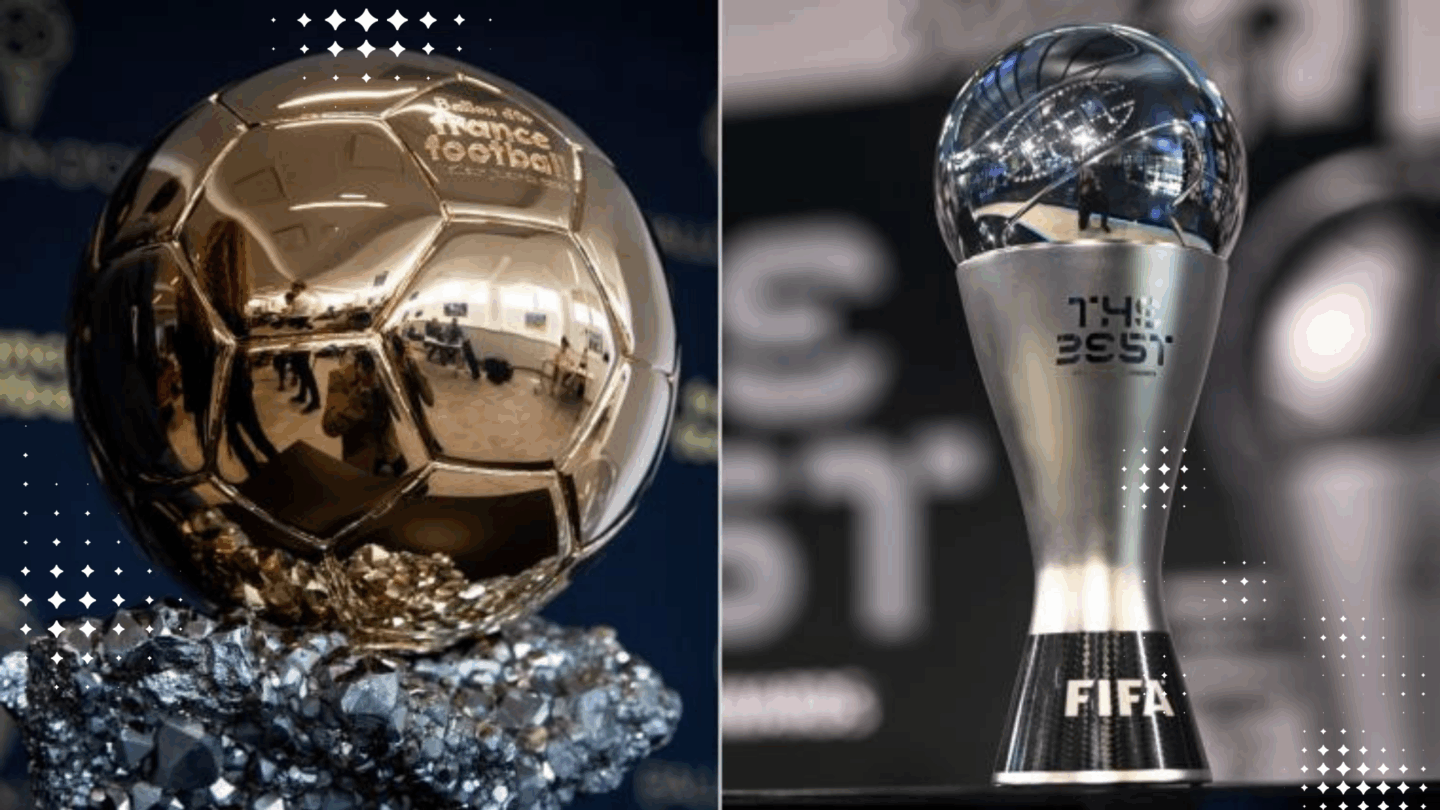
We think of football’s great rivalries as things that happen between the lines: Real Madrid vs Barcelona, or, in the spirit of the World Cup, Germany vs England. But some of the sport’s most interesting contests are never played out on grass at all. They happen off the pitch, including in the context of brand guidelines and ownership. The rivalry between FIFA and the Ballon d’Or brings these into focus.
Building a Name Worth Owning
The Ballon d’Or was drawn up by France Football in 1956, and it is exactly the sort of name a brand owner hopes for. Part of its strength is inherent: as an award for the world’s best footballer, Ballon d’Or (or its translation, “Golden Ball”) is evocative and has a certain aura rather than being plainly descriptive, so it started life as a distinctive mark.
But the more valuable part is the strength it has earned; across seven decades of ceremonies and a roll of winners from past legends to modern-day greats like Lionel Messi and Cristiano Ronaldo, the name has built up a meaning in the public mind that no competitor can simply borrow. That acquired reputation, not the two words themselves, is the crown jewel.
When Co-Branding Creates Ownership Questions
FIFA was no newcomer to honouring the best player. It had run its own prize since 1991, and between 2010 and 2015 the two merged into a single jointly branded award, the FIFA Ballon d’Or.
It ran for six years before the partners split in 2016. France Football kept the Ballon d’Or name; it had owned the older, stronger mark all along. FIFA, left without it, built something new and called it “The Best”.
The telling part is what neither side gave up: both still count the winners from those joint years as their own. The lesson runs well beyond football: when a co-branded venture ends, money is often easier to divide than goodwill, because joint branding can blur whose reputation was being built in the first place.
Why “The Best” Is Harder to Own
That name, “The Best”, is descriptive and laudatory, the kind that gives trade mark attorneys a headache because the law is reluctant to let anyone monopolise a phrase that simply praises the thing it describes.
Whatever power the mark has comes not from the name itself but from the institution behind it: distinctiveness is either inherent, earned through use, or reinforced by the reputation of the body granting the award.
Football’s most powerful governing body can organise a World Cup across three countries, but it cannot make a weak mark strong by force of will. Reputation, once earned, is territorial and still must be proved. It is not a passport that waves a mark through every border, but closer to a visa, stamped one jurisdiction at a time.
Scale as a Brand Strategy
Where France Football tends a single flagship mark, FIFA runs a machine, and the scale of that machine is itself part of the brand. Its trade mark portfolio is enormous and policed with real appetite.
So what does this mean for the rest of us?
- A strong sports-award brand is built on more than a catchy name; long-term value comes from reputation, consistent use and public recognition.
- Reputation is powerful but not universal by default. Even globally famous marks may have to prove their renown market by market to rely on it in a dispute.
- Co-branding creates value but complicates ownership of goodwill, as the FIFA Ballon d’Or years show.
The Lasting Contest
On the pitch, the answer changes every year. Off it, the contest is over something more durable: not a trophy, but ownership of an idea manifested in a brand, the idea of being the best. That is won quietly, over decades, through distinctiveness, genuine use, and a willingness to defend what has been built.
The players come and go, but the brands, if looked after, remain entrenched in glory.
In the context of co-branding, a strong underlying agreement, including provisions dealing with proprietorship of marks and associated goodwill when parties go their separate ways, should go some way towards avoiding complex disputes over ownership.
Photo credit
Contact us
Do you want consulting, advice or are interested in any of our legal services? Contact us and we will help you!